Fresh issue vs OFS: where does your IPO money actually go?
Two IPOs can raise the same headline amount while the money goes to very different places. Fresh issue funds the company; OFS pays existing shareholders who are selling.
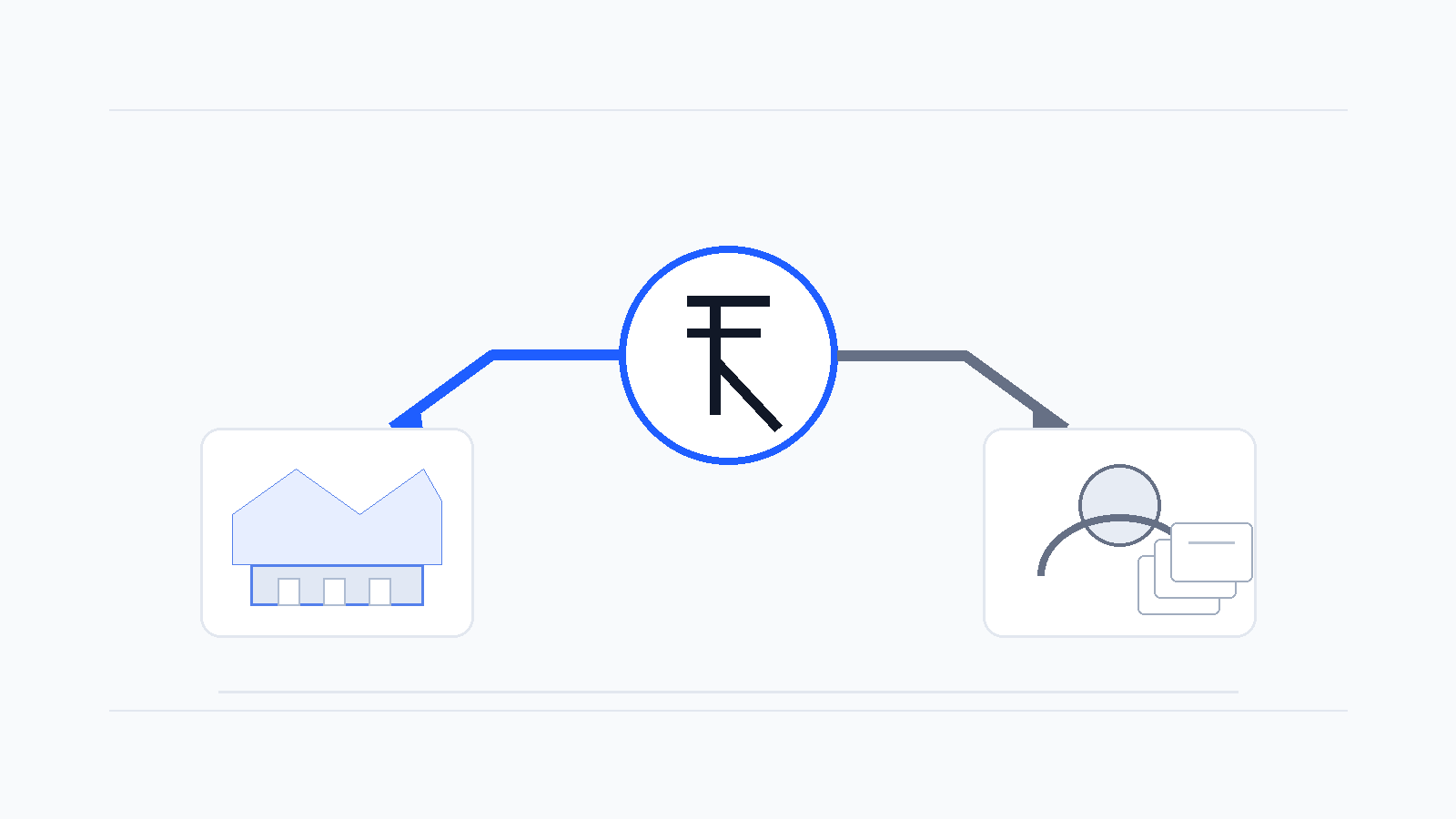
When an IPO says it is raising ₹500 crore, that headline number does not tell you where the money goes. The issue can contain a fresh issue, an offer for sale (OFS), or both.
The distinction is simple once you follow the money.
Fresh issue: new money enters the company
In a fresh issue, the company creates new shares and sells them to IPO investors. The money raised belongs to the company and can be used for the purposes described in the offer document.
Those purposes might include building a factory, buying machinery, repaying debt, funding working capital or other permitted company needs. QuickIPO treats this as an important part of the IPO story because investors can see what management intends to do with the new capital.
OFS: an existing shareholder is selling
In an offer for sale, existing shareholders sell some of the shares they already own. The buyer pays for those shares, but the sale proceeds go to the selling shareholder rather than to the company.
An OFS is not automatically negative. Early investors, promoters or other shareholders may have legitimate reasons to sell part of their holding. What matters is understanding that this portion of the IPO does not provide new operating money to the business.
Why the split matters
Suppose two IPOs are both described as ₹500 crore issues. In the first, all ₹500 crore is a fresh issue intended for expansion. In the second, ₹100 crore is fresh issue and ₹400 crore is OFS. The headline issue size is the same, but the amount entering the company is very different.
That difference affects what investors should track after listing. If new money was promised for debt repayment, we can later check whether debt actually fell. If it was promised for a plant, we can check whether the plant was built. An OFS has no equivalent company-use promise because that money never entered the company.
What QuickIPO shows
QuickIPO should state the fresh-issue and OFS split in plain language near the IPO-money section. When the issue is entirely fresh, we can say that existing owners are not selling shares in the IPO. When there is an OFS, we should say how much of the issue is going to selling shareholders.
For the fresh portion, our ₹100 View translates the use of proceeds into an easier question: for every ₹100 of new money raised for the company, roughly how much goes to expansion, debt, working capital or other purposes?
Key Takeaways
Fresh issue = money for the company. OFS = money for existing shareholders who sell.
Neither label alone tells you whether an IPO is good or bad. It tells you what transaction is taking place, which is the starting point for understanding what investors are actually funding.
Sources
For every real IPO, QuickIPO verifies the issue structure and objects of the issue from the final RHP/prospectus and exchange/offer documents. Production articles must link the exact documents used.