What should you check when an IPO promises a new factory?
A bigger factory sounds like growth. QuickIPO separates the promise, the execution and the business result so investors can see what actually matters.
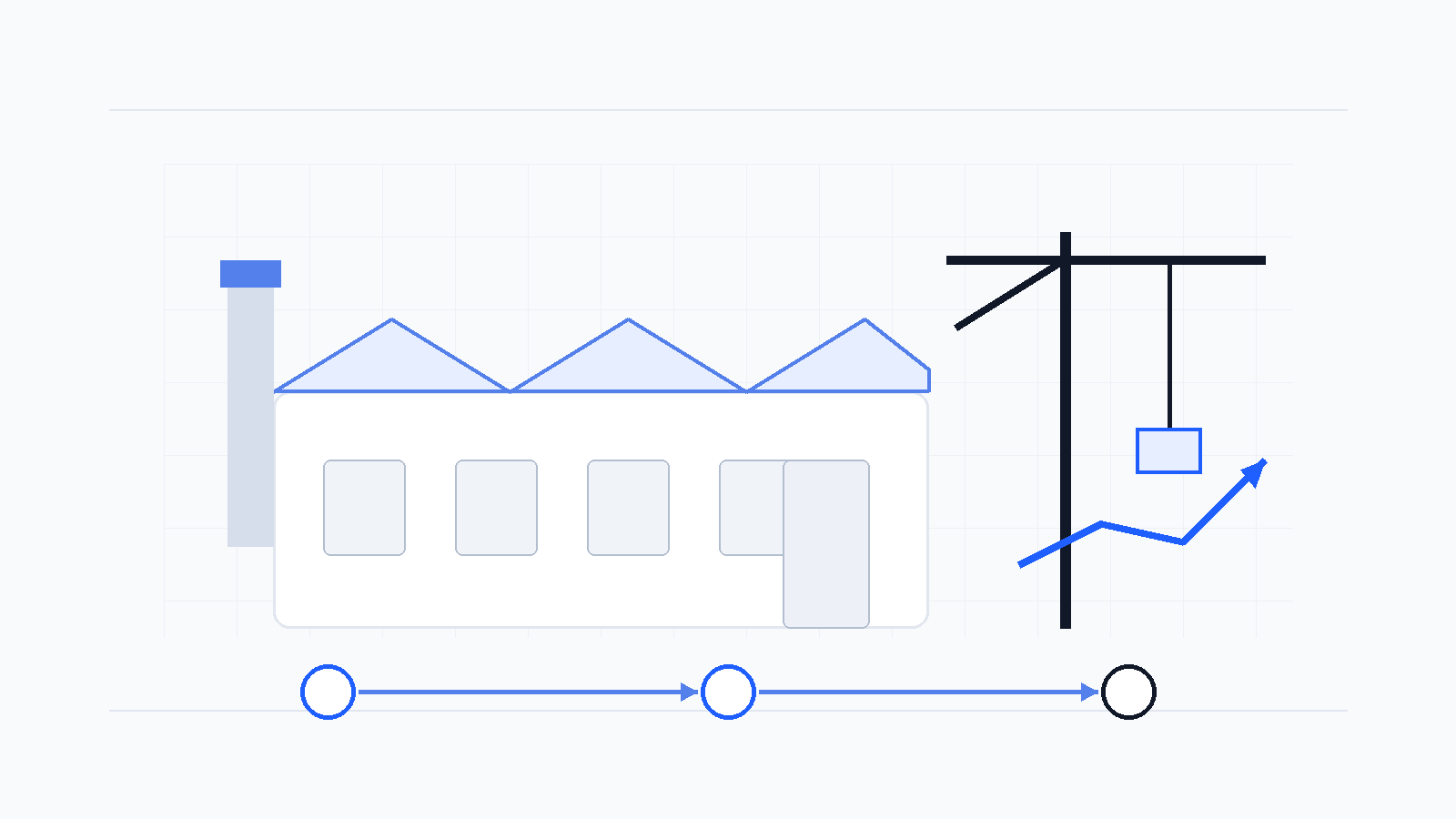
A new factory is one of the easiest IPO stories to understand. The company tells investors that demand is growing, present capacity is not enough, and fresh IPO money will help it manufacture more.
That story can be perfectly reasonable. But “we will build a factory” is not the same as “the factory will create a stronger business.” QuickIPO therefore breaks the claim into separate questions that can be checked over time.
First: what exactly is being promised?
The offer document should tell us what will be built, how much money is allocated, what machinery is required, the expected completion date and the capacity the new plant is designed to add. If those details are vague, the promise is already harder to track.
A clear promise is better because it gives investors something measurable. “Expand manufacturing” is broad. “Build a plant with a stated capacity and begin commercial production by a stated month” can later be verified against exchange filings and annual reports.
Second: did management actually build it?
After listing, QuickIPO should not stop following the company. We check whether construction was completed, machinery was installed and commercial production began around the stated date. Delays do not automatically mean the business has failed, but they change the original IPO story and deserve an explanation.
This is the first part of Promise vs Delivery: did management do what it said it would do with investors’ money?
Third: is the new capacity actually being used?
A completed factory can still sit partly empty. Capacity matters only when there is enough demand to use it. That means later annual reports should be checked for production, capacity utilisation, order flow and management commentary about demand.
This is where QuickIPO separates project completion from business success. Building the asset is an execution result. Filling the asset with profitable demand is an operating result.
Finally: did the business become stronger?
The most useful test is not whether the company held an inauguration ceremony. It is whether sales, profit and cash generation improved after the expansion, and whether the company became less fragile rather than more dependent on debt, working capital or a few customers.
A factory funded by IPO money can be valuable when it allows a company to serve more customers, bring outsourced work in-house, improve margins or enter a higher-value product category. But none of those outcomes should be assumed in advance.
Key Takeaways
A factory promise should be tracked in three stages: Was it built? Is it being used? Did it make the business stronger?
That is why QuickIPO keeps Promise vs Delivery separate from listing-day returns. A stock can list well even when execution later disappoints, and a company can execute its project well even when the stock has a weak listing.
Sources
For each real IPO, QuickIPO verifies factory promises from the RHP/prospectus and then checks post-listing exchange filings, annual reports, financial results and utilisation-of-proceeds disclosures. This staging article demonstrates the reading format; production articles must link the exact company documents used.