Why can a profitable company still run short of cash?
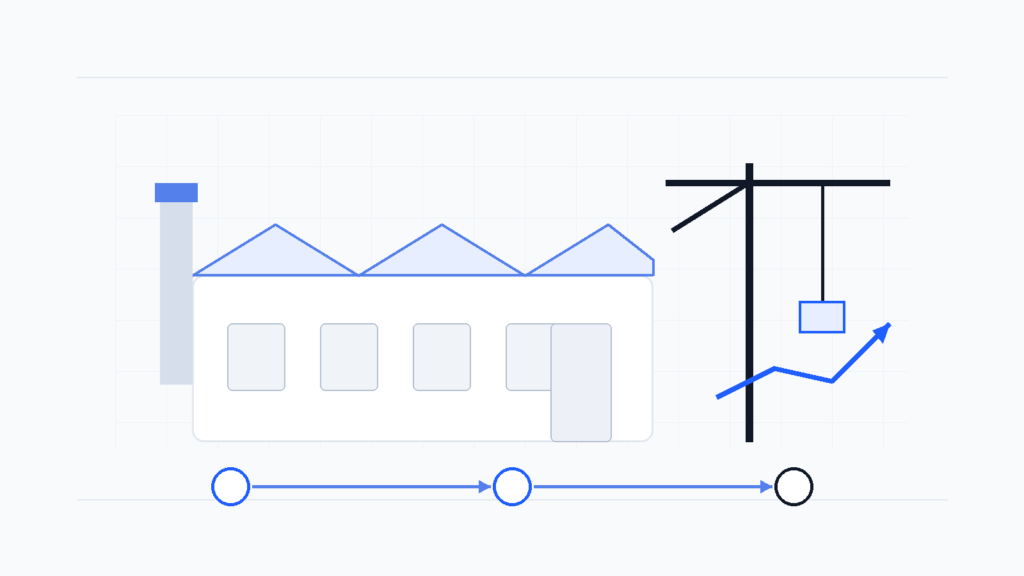
Profit and cash are related, but they are not the same. A company can report growing profit while more money remains stuck in customers, inventory or day-to-day operations.

A company can report a profit and still feel short of cash. That sounds contradictory until we separate two different questions: did the company earn money? and did the cash actually arrive?
Profit is calculated using accounting rules. Cash flow tracks money moving into and out of the business. Over time, a healthy business usually needs both, but in a particular year they can move very differently.
A simple example
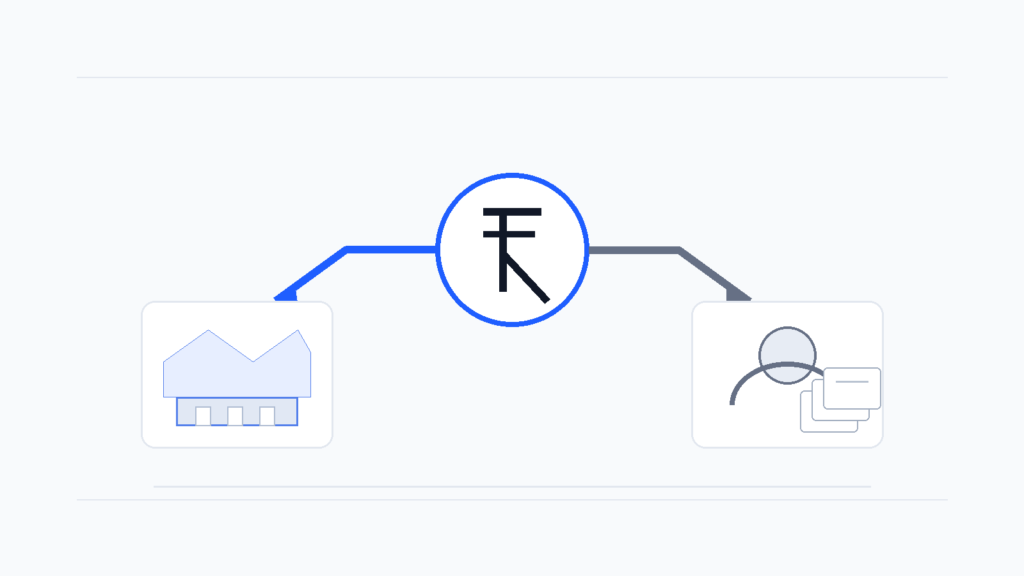
Imagine a company sells goods worth ₹100 and records the sale today. If the customer is allowed to pay three months later, the company may already count the sale in revenue and part of it in profit. But the bank account has not yet received that ₹100.
Meanwhile, the company may have already paid workers, suppliers, rent and transport costs. So the income statement can look profitable while cash is temporarily tied up in money owed by customers.
Where can the cash get stuck?
Three areas matter repeatedly. Receivables are amounts customers still owe the company. Inventory is money tied up in products or raw materials that have not yet been sold. Working capital is the broader day-to-day funding needed to keep the operating cycle moving.
None of these is automatically bad. A rapidly growing company may need to hold more inventory or give customers normal credit terms. The real question is whether the amount tied up is reasonable for that business and whether the trend is getting better or worse.
Why QuickIPO does not use one mechanical rule
A single year of weak operating cash flow does not prove that reported profit is fake. It is a reason to investigate. We look at the absolute level, the multi-year trend, the company’s business model and the economic explanation.
If profit rises for several years while receivables keep growing much faster than sales and operating cash stays weak, the concern becomes more serious. If cash flow recovers and collections normalise, the earlier weakness may have been temporary.
What should an IPO investor ask?
When an IPO company shows fast profit growth, ask where the cash is. Is it sitting with customers? Is inventory rising because the company is preparing for more demand? Is the company borrowing more simply to fund normal operations?
This matters especially when IPO money is being used for working capital. Investors should understand whether that money is funding healthy growth or plugging a recurring cash gap.
Key Takeaways
Profit tells you whether the business appears to have earned money. Cash flow helps show whether those earnings are turning into usable cash.
QuickIPO therefore shows profit and cash separately. The goal is not to scare users whenever cash flow is negative; it is to make the difference visible and explain why it matters.
Sources
For a real IPO, the relevant evidence comes from the audited cash-flow statement, balance sheet, notes on receivables/inventory and the working-capital discussion in the RHP or prospectus. Production articles must cite the exact pages used.